What is retatrutide? Trials, safety and licensing explained
7 minute read · Updated October 2026
Retatrutide is the peptide people ask about most and understand least. It produced the largest weight-loss numbers seen in a trial so far — and it is not a licensed medicine. Both of those things need to be in the same conversation.
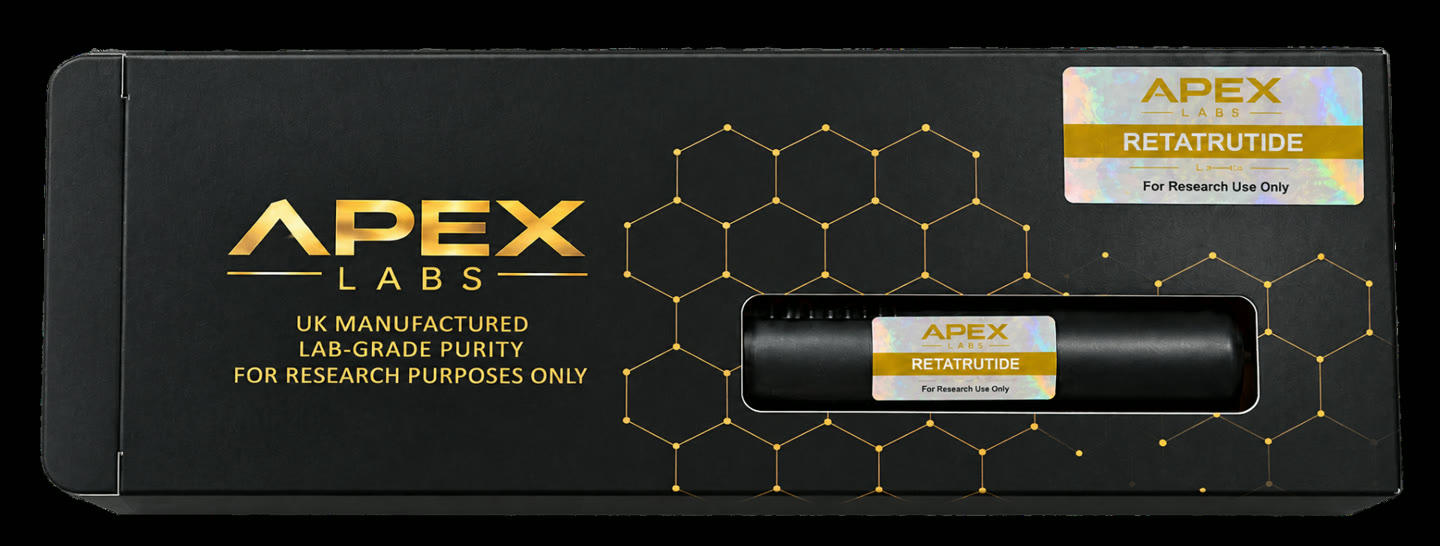
What retatrutide is
Retatrutide is a once-weekly injectable peptide in clinical development that activates three receptors rather than one or two: GIP, GLP-1 and glucagon. It is often described as a 'triple agonist', and it is the reason interest in the word retatrutide has grown so quickly.
The glucagon receptor is the added ingredient. Alongside appetite suppression and slower gastric emptying — the same mechanisms tirzepatide and semaglutide use — glucagon signalling raises energy expenditure and shifts the body toward burning fat, which is where the extra weight loss in trials appears to come from.
How it differs from tirzepatide
Tirzepatide hits two receptors (GIP and GLP-1) and is a licensed, established medicine with years of real-world safety data behind it. Retatrutide hits a third, produces larger weight-loss figures in the trials published so far, and is still investigational — which means far less is known about how it behaves over years rather than months.
That is not a reason to dismiss it. It is a reason to be suspicious of anyone presenting an unfinished medicine as a finished product.
What trials have shown so far
In the phase 2 trial in adults with obesity, participants on the highest dose lost around 24% of their body weight on average over 48 weeks, with results rising in step with dose. Improvements in blood sugar control, blood lipids and markers of liver fat were reported alongside the weight loss.
Larger phase 3 trials are running now. Until they report, every figure available is from a smaller, shorter study in carefully selected people — not a guarantee about your own outcome, and not comparable to the evidence base sitting behind tirzepatide.
Licensing status — the important part
As of writing, retatrutide has not been approved as a medicine for weight management by the MHRA in the UK or by the FDA in the United States. It remains an investigational compound in clinical trials.
That carries practical consequences. There is no approved product, no agreed dose schedule, and no licensed supply chain — which means anything being sold today as 'retatrutide' comes from somewhere outside the regulated route, with no assurance of what is actually in the pen. We ask our prescriber to confirm the current position with you at assessment, because this picture changes as trials report.
Safety signals reported so far
Trial participants reported the same family of digestive effects seen with other incretin medicines — nausea, diarrhoea, constipation, vomiting — rising with dose. Distinct to retatrutide, some participants showed increases in heart rate and small changes in blood pressure, and liver and lipid markers were monitored closely throughout. Longer-term effects are simply not yet characterised; that is what phase 3 trials exist to establish.
How we handle it
We do not treat retatrutide as a browse-and-buy decision. It is £125 per pen and every order is reviewed by our prescriber first, who will tell you honestly whether an investigational compound is the right choice for you — including if the right answer is tirzepatide instead.
If you want to talk it through with a person before committing, request a call back and we will ring you.
Find out if you qualify
About three minutes, reviewed by our prescriber, and no payment is taken until you have been accepted onto the programme.
Start my assessmentMore guides
This guide is general information from Apex Labs, not a substitute for medical advice. Suitability is decided by our prescriber after you complete an assessment.